


OUR PROJECTS IN KENYA
LEAF is a non-profit organization committed to improving access to quality education for children and youth in underserved communities in Kenya.
Humanitarian projects in Kenya are addressed to the most vulnerable and affected part of population: the children from Nairobi’s slums, from the Kisii community in rural Kisii, and in the north in Turkana.
In Kenya, particularly in the north, child mortality is extremely high due to malnutrition, lack of drinking water and AIDS. LEAF offers support and continuous education to these children.
WHAT DO WE DO FOR OUR CHILDREN
LEAF was not only born with the aim of ensuring that all children in situations of disadvantage have quality education, but also to give them an equal chance at education in a loving and caring environment.
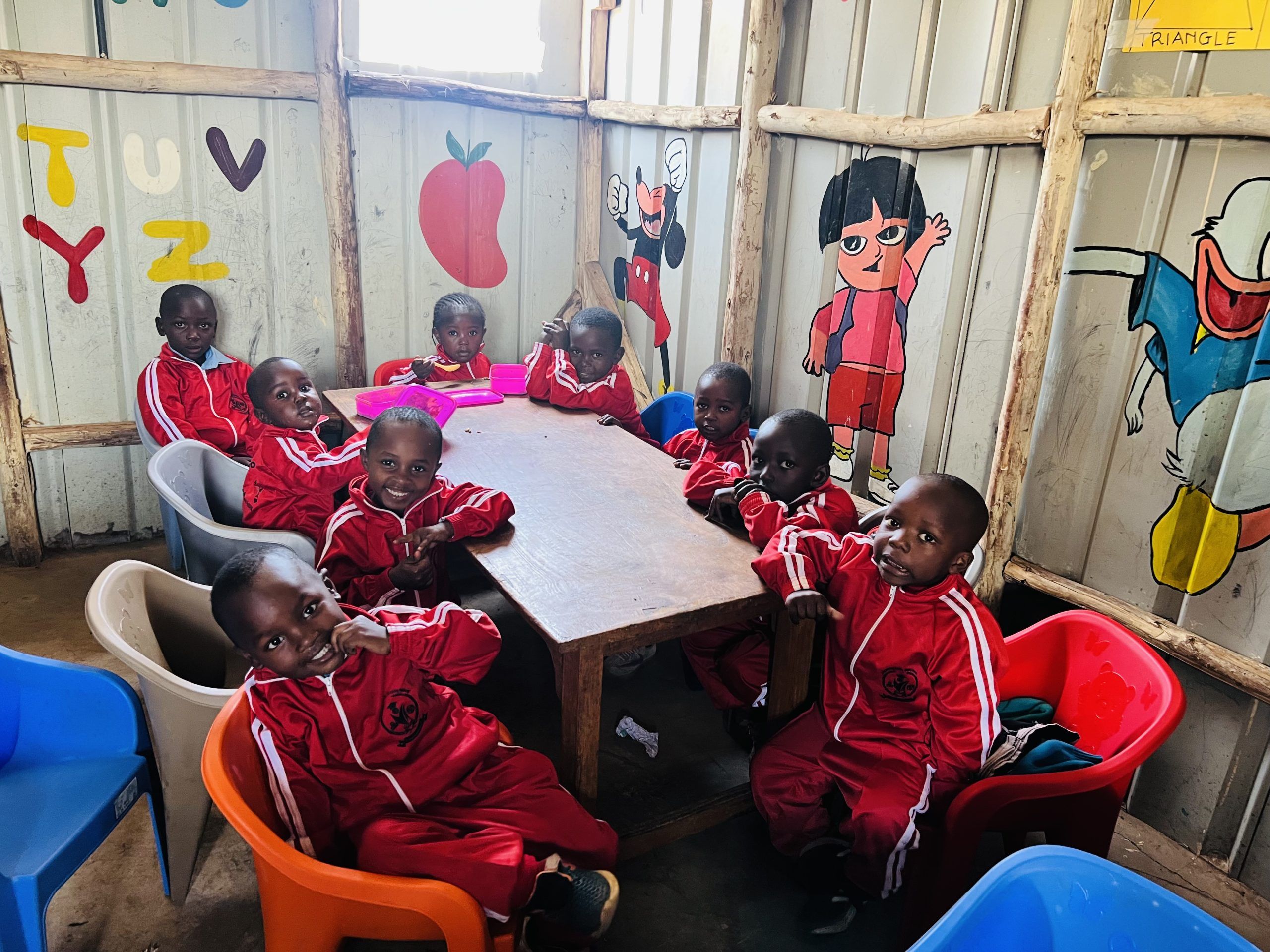
The School of
Hope
The School is in Kibera Slums, provides education, meals, and a safe haven for 60 vulnerable children.
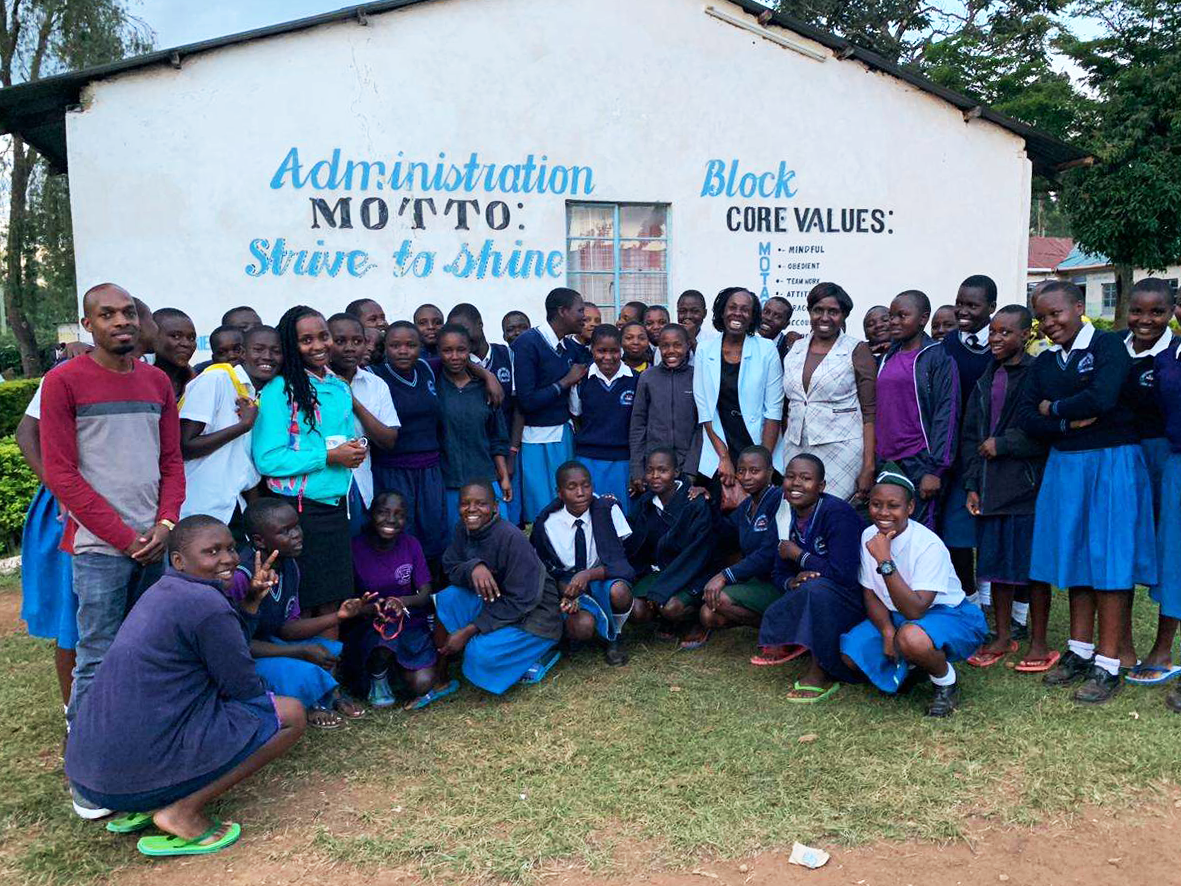
Motagara Girls Secondary School
The Girls Secondary School is in Kisii region, has a strong STEM academic focus and serves 457 girls.
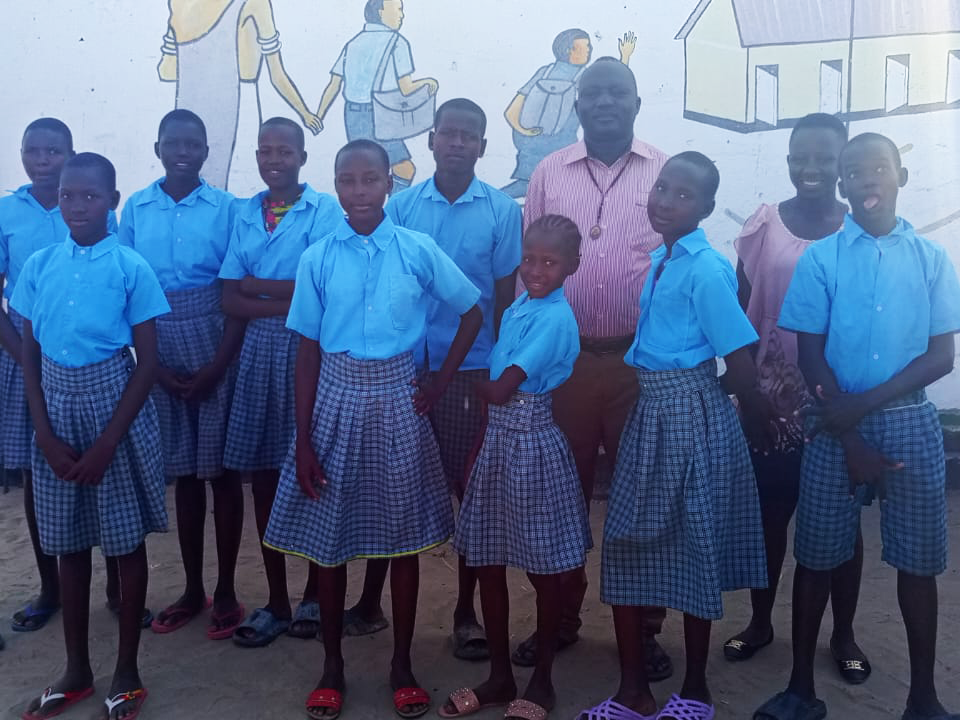
ILLE Primary School in
Turkana
In drought-stricken Turkana, a modest lakeside school has become a vital source of education and clean water.
General FAQs about Education in Kenya
Many families still face barriers to education—such as the costs of uniforms, books, and boarding/living costs that have to be paid by parents—that often prevent children from staying in school.
Free primary education was introduced in 2003 significantly increasing school enrollment. While primary education is free, students still have to pay for costs like uniforms, books, and other school supplies.
Not entirely. Tuition fees in public secondary schools are covered by the government since 2008.
Costs not paid by the government which parents still pay for include: school uniforms, books and learning materials, boarding fees (for boarding schools), transport, meals, and sometimes development fees.
Overcrowded classrooms, inadequate public school funding, teacher shortages, curricula issues like limited school resources/facilities, and socio-cultural barriers affect the quality of learning. The influence of factors like poverty and HIV/AIDS, also impact access and quality.
The Ministry of Education is responsible for overseeing all levels of education in Kenya, manages teacher education, develops curricula, and ensures the quality of education.
The current education system in Kenya is called the Competency-Based Curriculum (CBC) which follows a 2-6-3-3-3 system, has an emphasis on Early Childhood Education (pre-primary). It was launched in 2017.
| CBC Level | Duration | Description |
| Pre-Primary (Early Years) | 2 years | Pre-Primary 1 (PP1) & Pre-Primary 2 (PP2) |
| Primary | 6 years | Grades 1 to 6 |
| Junior Secondary | 3 years | Grades 7 to 9 |
| Senior Secondary | 3 years | Grades 10 to 12, with pathways (e.g., STEM, Arts) |
| Tertiary/University | 3+ years | Diplomas, University Degrees, & Technical/Vocational Training |
The previous structure called the 8-4-4 system, included 8 years of primary education, 4 years of secondary education, and 4 years of university education. It began to be phased out in 2017, and the last cohort of 8-4-4 students is expected to complete Form 4 in 2027, meaning the 8-4-4 system will effectively end in 2028.
Girls, children with disabilities, orphans, and children from poor and rural communities are most at risk of missing out on education due to various reasons.
COVID-19 disrupted learning for millions of children affecting attendance and performance.
In Kenya, students wear uniforms to promote equality, reduce distractions, and create a sense of belonging—yet for many families, affording a uniform remains a barrier to education.
Student Welfare & Experience
Kids Day Out Project: Organizes excursions to nature parks, national parks etc.
Food Drive Project: Provides daily nutritious meals to fight hunger, improve concentration, and increase school attendance.
Sanitary Towels for Girls: Supplies sanitary products to ensure girls don’t miss school due to lack of access.
Dormitory Construction: Builds a new dormitory to reduce overcrowding and provide a safe, stable environment for boarding students.
Infrastructure & Facilities
Facilities Project: Renovates classrooms and supplies desks to improve the learning environment.
Washrooms Project: Constructs modern, hygienic toilets to support student health and reduce absenteeism.
Kitchen Renovation Project: Upgrades kitchen facilities for safe, hygienic meal preparation.
Security Project: Builds a fence and gate to protect students and staff from external threats.
Playground Project: Creates a safe, functional playground for physical activity and play.
Borehole Project: Drills a borehole to provide reliable water access for drinking, cooking, and sanitation.
Office Furniture Project: Equips staffrooms with furniture to improve planning and administrative workspaces.
Computer (Lab) Project: Establishes a fully equipped ICT lab to teach essential digital skills.
Science Laboratory Project: Builds a dedicated space for hands-on STEM education.
Learning Support & Academics
Sponsorship Project: Covers school fees for students from vulnerable families.
Qualified Teachers Project: Funds salaries for trained teachers to deliver quality education and guide volunteer staff.
Go-Green Tree Planting Project: Engages students and volunteers in tree planting to promote
What difference will your donation make?
Your donation helps cover essential needs like uniforms, school supplies, and meals—removing barriers that prevent children from staying in school. Barriers vary from school to school.
How are funds used and tracked?
Funds are allocated transparently toward direct education support and are monitored through regular reporting, documentation, and local partner accountability.
Receipts, Results and success stories from previous donations…
Donors will receive tax-deductible receipts where possible, and updates or results of ongoing or completed projects.
How is the local community around the schools involved in or benefiting from LEAF’s work?
Local communities benefit from a more educated society, while school-based food drives and support programs ease the burden on parents—helping create a stable learning environment for children.
Are the programs aligned with government policy and local needs?
Yes, all LEAF programs are aligned with national education goals and developed in collaboration with local education authorities and all relevant stakeholders like the schools we work with.
How are the projects sustainable beyond donor funding?
We aim to build local capacity, involve community and school leadership, and seek long-term partnerships to ensure lasting impact beyond donor support.
Are there partnerships with local NGOs, schools, or government bodies?
Yes, we will work closely with local NGOs, schools, and government agencies to ensure effective coordination and impact on the ground.